
How Music Infuses Mental Health Conversations
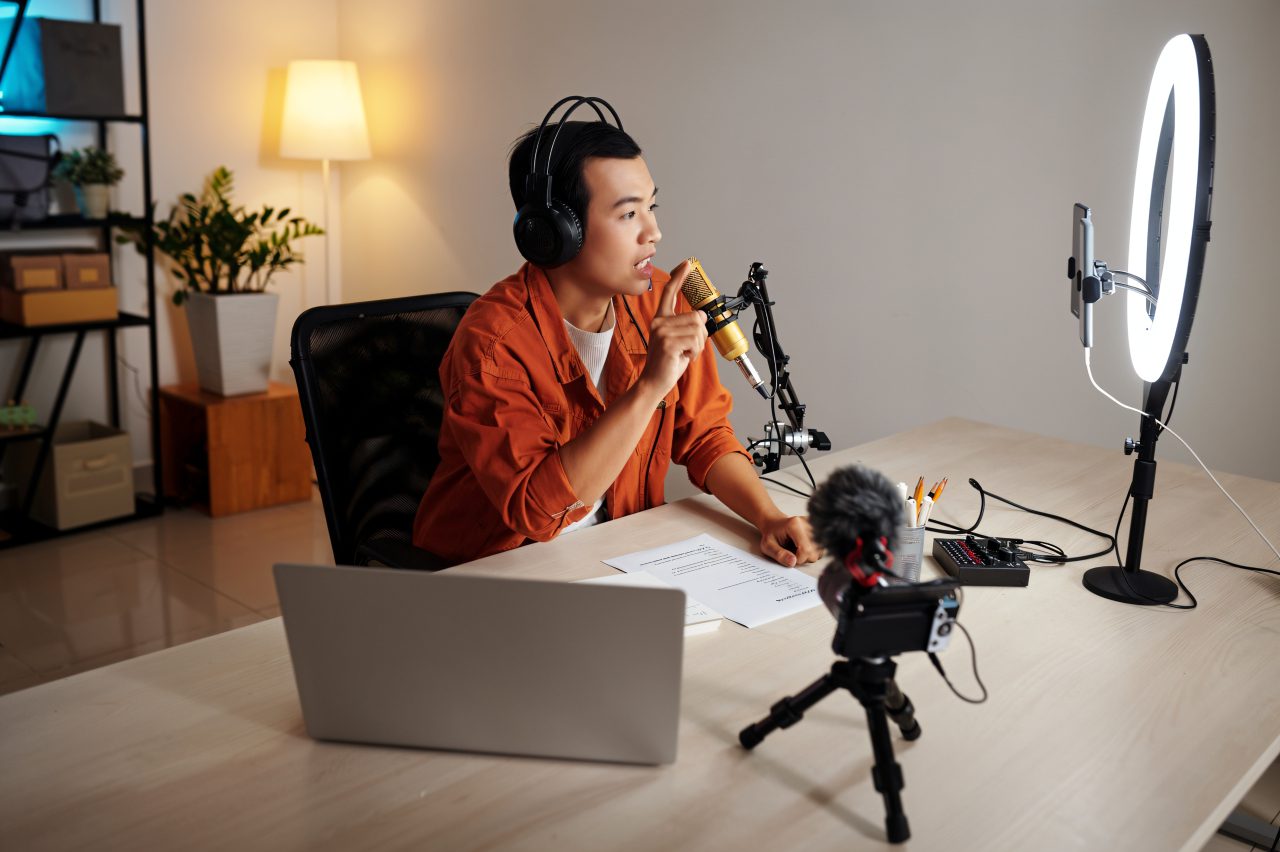
Music and mental health meet in compelling ways on The Rodney Inya Network. Host Jeff-better known as Rodney-opens every episode with live drumming, then dives into street-level dialogue on anxiety, addiction, and recovery. The show rides three megatrends: artists openly sharing struggles, the rising use of music as therapy, and growing industry initiatives to protect mental wellness. With market forecasts predicting sharp growth for music-centric wellness apps and organizations, Rodney’s approach feels both timely and urgent.
Rhythmic Conversations
Every episode of The Rodney Inya Network kicks off with a beat-raw, steady, and undeniably powerful. It’s not just music; it’s an intentional rhythm designed to heal.
- Therapeutic Beat: Drumming helps regulate the nervous system, easing stress and anxiety.
- Brain Activation: The rhythm engages the prefrontal cortex, interrupting negative thought patterns and boosting focus.
- Mood Enhancement: Increased dopamine from the beat lifts spirits and encourages creativity.
This multisensory approach not only enhances the listening experience but sparks listener creativity-from homemade beats to rap verses and unique art. It’s more than a podcast-it’s a heartbeat of connection and healing.
Street-Style Dialogue
At The Rodney Inya Network, we bring mental health discussions to the streets-real, raw, and unfiltered.
- Authentic Stories: Rodney opens up about his own experiences, fostering a space for listeners to share and connect without judgment.
- Breaking Stigma: We challenge the stereotypes surrounding mental health, encouraging open conversations that promote understanding.
- Everyday Realness: These aren’t just expert opinions; they’re real-life stories, shared by everyday people, making mental health feel more approachable.
By embracing the grit of street-style dialogue, we aim to make mental health feel less intimidating and more like a conversation among friends.
Music Therapy
As more corporate wellness programs embrace music therapy, we’re seeing a powerful shift toward integrating soundscapes into recovery and mental health strategies. At The Rodney Inya Network, we’re proud to offer real-world examples that showcase this growing trend.
Music as Medicine
Music therapy is gaining significant traction across industries, with corporate wellness programs predicted to increase by 30% next year (https://spaexecutive.com/2023/10/10/music-as-medicine-a-sneak-peak-into-spa-executives-2024-trends-guide/). This rising demand reflects the growing recognition of music’s therapeutic power. Our podcast taps into this, highlighting how music can be used to manage mood, reduce stress, and promote recovery. By sharing impactful stories, we demonstrate how rhythm and melody serve as tools for healing.
Supporting the Music Community
The music industry’s mental health crisis has inspired initiatives like Universal Music Group’s wellness apps and Music Health Alliance’s funding for professionals in need. These efforts show the vital role music plays not just in mental health but in building stronger, more supportive communities. Whether it’s for touring musicians or young professionals, the message is clear: rhythm has the power to heal, connect, and transform. The Rodney Inya Network explores how these innovations are making a difference in people’s lives.
Multisensory Engagement
At The Rodney Inya Network, we take podcasting to the next level with a sound design that’s as immersive as it is dynamic. Here’s how it works for you:
- Boosts Engagement: The rhythm-driven audio triggers dopamine release, helping you stay hooked for longer.
- Calms Nerves: In-studio drumming syncs with guests’ breathing, easing anxiety and making conversations feel more natural.
- Encourages Participation: Tap-along cues invite listeners to join in, making the experience interactive and memorable.
The Community Beat
Mission statements usually gather dust; this one vibrates on toms from Nashville to the rural Midwest. Downloads spike in music hubs like Austin and rise again in resource-scarce farm towns, proving rhythm resonates across zip codes. Community moves include pop-up drum circles at conferences, student-recorded beats streamed during finals week, and a Spanish-language miniseries pairing conga rhythms with culturally nuanced recovery stories. Each localized touchstone feeds a bigger goal: forging a nation of rhythmic seekers who know healing can sound like a back alley jam.
Turn Your Workspace Into a Mini Healing Studio
Want to bring a little calm and energy to your day? Here’s how you can turn your workspace into a mini healing studio with just a few easy steps:
- Keep a palm-size hand drum nearby: Just five minutes of drumming between Zoom calls can help lower your stress levels and reset your mood.
- Create a trigger playlist: Pick three songs at 60-80 BPM for relaxation and three at 100-120 BPM to get motivated when you need that boost.
- Try the two-beat breath: Inhale for two snare hits, exhale for two. It’s a quick way to practice mindfulness, no matter where you are.
These simple practices can help you stay grounded, energized, and focused throughout your day!
FAQs
Q. Do I need musical talent?
A. Zero chops are needed. If you can tap a finger, you qualify.
Q. Does this replace therapy or medication?
A. No. Think of it as a fitness app for the mind-supportive, not substitutive.
Q. How often should I practice?
A. Ten minutes daily beats an hour once a week. Consistency trumps intensity.
Key Takeaways
• Live drumming transforms passive listening into active self-regulation.
• Street-style dialogue skews relatable, sparking deeper disclosure and authentic conversations.
• Music therapy delivers measurable wins: 46 percent stress reduction via Sound Mind and real-world craving cuts.
• Multisensory production offers a competitive edge that content creators can replicate.
• A growing, regionally tailored community proves rhythm plus vulnerability equals action.
Where Beats Meet Healing Tune
The Rodney Inya Network blurs the line between podcasts, drum circles, and therapy sessions. Each beat invites listeners to confront anxiety, addiction, or isolation with sticks in hand and honesty on the mic. Ready to feel the vibration?